
One can’t diminish the value of customer relations in business, nor dismiss the success and understanding some companies have achieved by absolutely knowing their customers and their markets. Some of these businesses benefit by being able to more tactically spend marketing dollars, and more quickly anticipate and overcome challenges. They also benefit by creating impenetrable brand loyalty, where their consumers become their advocates, and trendy buzz words like word of mouth and viral marketing start becoming real and effective. As we all know, as soon as consumers become marketers for a company, growth has the opportunity to become exponential.
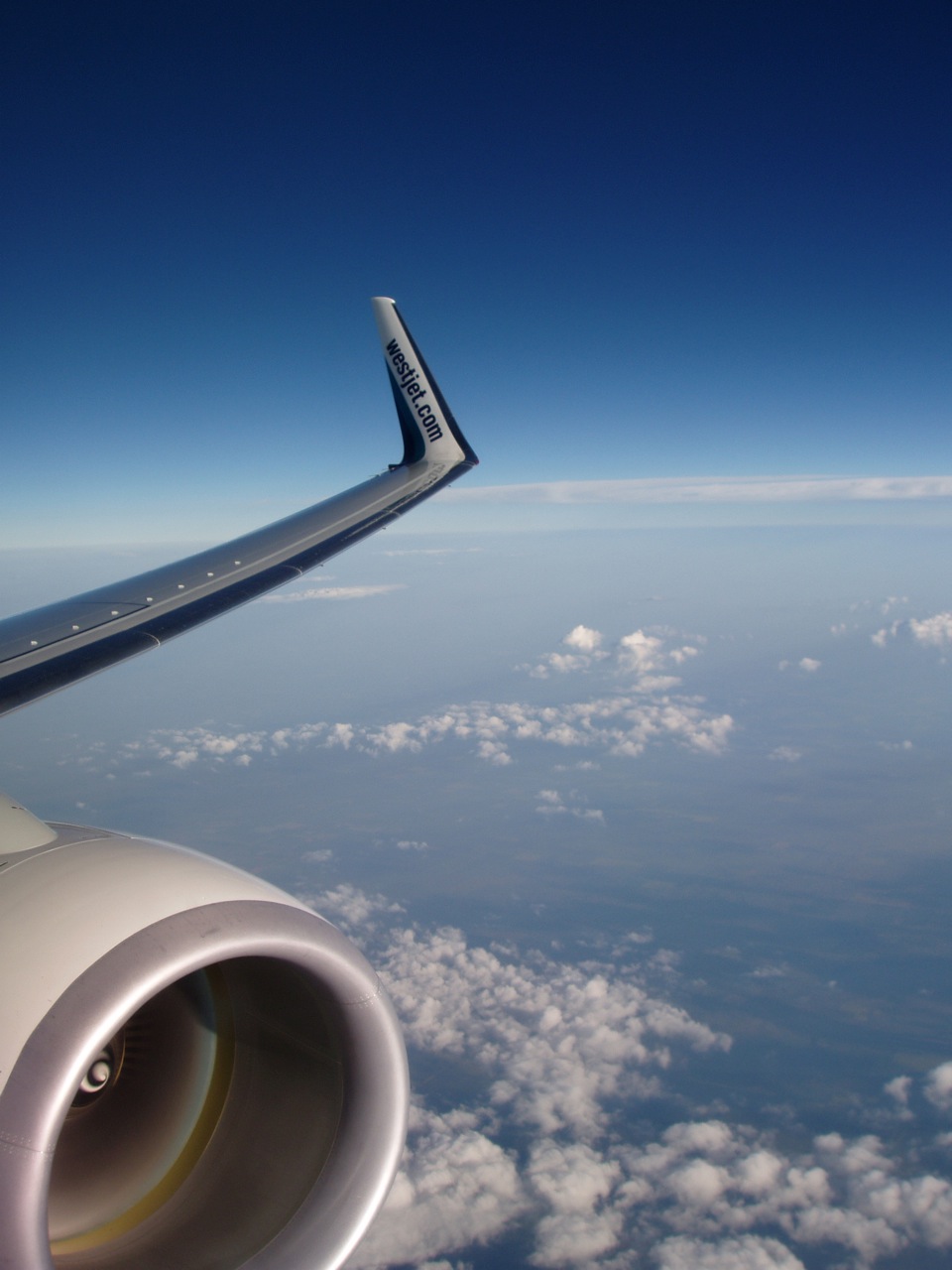
WestJet Airlines is a good example of a business that has succeeded in consumer relations. In a recent effort to change a flight, I was put on hold for approximately 48 minutes; no doubt due to the fiasco that has become their new back-end booking system, Sabre. The lengthy wait times that frequently dominate WestJet’s customer service department these days are a polar opposite of the quality driven airline enterprise that people have grown to love and trust in every year prior.
My 48-minute wait was not only uncomfortable in its essence, but it was augmented by the fact that I absolutely needed to make the flight change right away (and that while on hold, only three songs were played, on perpetual repeat). No doubt everyone waiting on the phone before me and those afterwards were in the same boat and feeling the same stress. I considered, while holding, that we as consumers had perhaps finally reached a lexicon with WestJet, where the company had grown to such a size or significance that the days of sheer quality and small-business-minded operations were coming to an end. Because of the importance of this new software, which apparently allows them to integrate into other airlines’ booking systems (think near-future partnerships and co-operative connections for global travel), I feared we were witnessing a shift away from a consumer focus in place of corporate interests: growth and efficiency.
But I was surprised after finally getting through. The Super Sales Agent was calm, proactive and sympathetic. She related to my needs, explained why I was on hold for so long, and why she’d need me to wait ten minutes longer to complete my relatively simple request. She offered to call me back so I didn’t need to wait on hold again. She called back about 20 minutes later, really, but said she’d completed my request and was not going to charge me for the difference in price ($10) nor the usually non-negotiable flight change fee of $50. What a nice treat.
Were I dealing with other businesses, 48 minutes on hold would be perhaps nothing out of the ordinary, and is a charge we as consumers accept simply because we’ve committed to doing business with them. Similarly, we don’t often get a break on fees because we’re stuck in the relationship. What other choice do we have? But in the case of WestJet, they’ve created a business around knowing and exceeding the requirements and expectations of their customers, and take extra steps to ensure satisfaction. Somehow they knew that by comping me on a change fee, they would negate nearly all ill feelings I had towards my wait time. They knew they’d see that money back another time, on another flight.
While this is merely one example, the focus on the customer is endemic within WestJet. It’s part of their philosophy. WestJet must be applauded for intently ‘knowing’ their customers so well – understanding their customers’ needs, knowing when they’re not being met, and acting quickly to make amends. Knowing your customer, investing in service and deciding to make good are not simple decisions or tasks. It takes humility to proactively forego flight change penalties, because those are easy revenue for airlines, and while welcomed, this treatment is not expected amongst consumers. Speaking from experience, determining who your audience is in the first place, let alone their preferences, tendencies and levels of satisfaction, is extremely challenging. Otherwise I suspect you’d see every business operating in this rhythm, because it breeds loyalty, return customers and word of mouth.
Deciding to be consumer-focused is truly a paradigm within a business plan. It is an enormous investment and a decision that is made in lieu or instead of shotgun or carpet bomb marketing. Many businesses see wholesome consumer relations as being extraneous spending and investment, and thus research and commitment to the extent that WestJet has employed would seem almost wasteful. But going down that road pays significant dividends in the long run, and only now is it so plainly obvious that they’ve succeeded in ways their competitors never will.
It seems kind of silly in retrospect, but from a operations and revenue perspective, investing in figuring out your audience is perhaps the best money one can spend in marketing and PR. Think about it. If you can precisely know who your audience is, and furthermore what they want, what they need, what their tolerance level is for dissatisfaction, and how to appease them, the remainder of your communications, marketing, advertising and PR can be so much more focused and made so much more efficient. And the impact of lost revenue when an crisis is faced is minimized. Remember, every challenge presents an opportunity, and every cliff affords a view.
 cdub
cdub 